
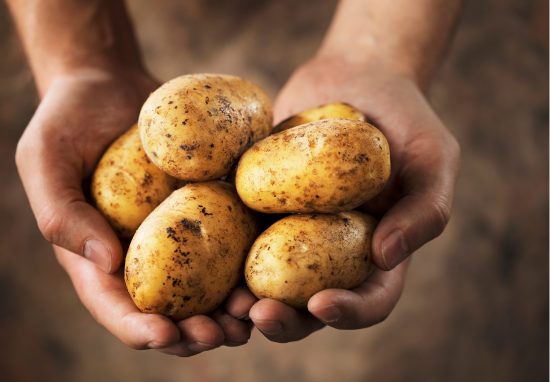
Today is International Potato Day! Yes, there’s such a day 😊
And in honor of this important day, we decided to clarify the topic of potatoes and high blood sugar.
It turns out that potatoes can be part of a balanced diet even if you have diabetes. Yes, we know that potatoes often get a bad reputation, but the truth is that you can enjoy them as long as you know how to do it right.
Potatoes and Diabetes: Everything in Moderation
There’s a common misconception that people with diabetes should completely avoid potatoes. However, potatoes can be part of a healthy diet, as long as they are consumed in moderation. It’s recommended to stick to about half a cup or a small to medium potato per meal. Additionally, it’s important to choose small red or yellow potatoes, as they are less starchy and have a lower glycemic index.
How to Cook Potatoes in the Healthiest Way
The cooking methods have a significant impact on the nutritional value of potatoes. To maintain a high amount of resistant starch, which helps balance blood sugar levels, it’s best to boil or bake potatoes whole without peeling them.
It’s interesting and important to know that this resistant starch is not digested in the digestive system and goes straight to the colon, where it acts like dietary fiber and actually helps balance blood sugar levels. This means our goal is to increase the amount of resistant starch as much as possible before eating the potatoes, and there is definitely a way to do that.
The Twist: Cooling to Increase Resistant Starch
One of the ways to increase the amount of resistant starch in potatoes is by cooling them after cooking. This process is called “retrogradation,” where potatoes develop more resistant starch, which reduces their impact on blood sugar levels. In fact, cooling potatoes for a few hours or even overnight in the refrigerator can increase the amount of resistant starch by more than 50%. And the beauty of it is that you don’t have to eat the potatoes cold—you can reheat them and still enjoy the benefits of high resistant starch levels.
In Summary
Remember, it’s all about balance. Combining protein, healthy fat, and dietary fiber with your potatoes in a meal can help maintain stable blood sugar levels. Additionally, if you regularly use Askerex, you can continue to enjoy potatoes as part of your diet, in the recommended quantities mentioned above, without worrying about an immediate impact on blood sugar levels.
Wishing you a happy International Potato Day and good health!
Despite all the information we provide, it is important to emphasize that anyone with diabetes must monitor and track their blood sugar levels after eating potatoes, especially if they don’t consume them regularly. It is crucial to consult with a doctor or a certified dietitian before making any dietary changes and to ensure that the diet suits your individual needs. We do not bear responsibility for any outcomes resulting from the use of this information without appropriate supervision.